Pages

samedi 3 août 2019

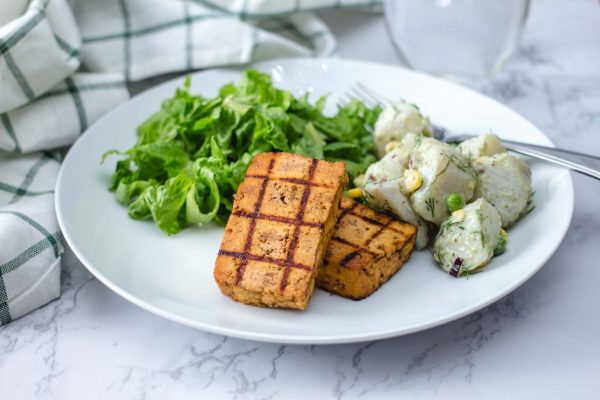
Grilled BBQ Tofu

Grilled BBQ Tofu

Everyone will love this Grilled BBQ Tofu recipe! These delicious slices of tofu coated with barbecue sauce, then grilled on the BBQ are a Vegan’s dream come true.   Save Print Grilled BBQ Tofu Serves:

The post Grilled BBQ Tofu appeared first on VegKitchen.


from VegKitchen https://ift.tt/2Kl3lag

mercredi 31 juillet 2019

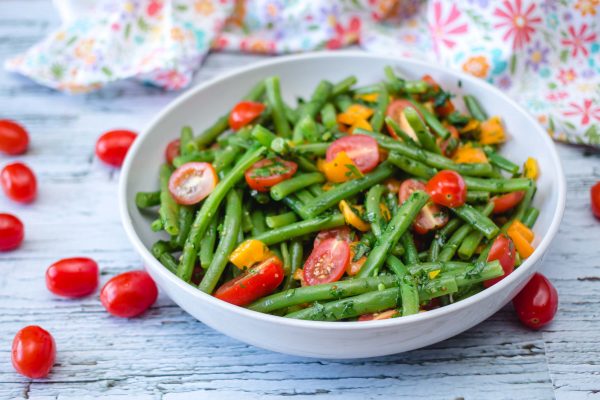
Green Bean Salad

Green Bean Salad

This simple Green Bean Salad showcases fresh seasonal vegetables and is perfect as a side dish on a BBQ night.   Save Print Green Bean Salad Serves: 8   Ingredients 1 lb green beans 25 cherry tomatoes, cut in half 1 bell pepper 3 French shallots, finely chopped 50 mL olive oil 25 mL balsamic vinegar 1 tsp Dijon mustard 1 tsp honey ¼ cup fresh parsley salt and pepper Instructions Strain the beans and steam for about 6 minutes.

The post Green Bean Salad appeared first on VegKitchen.


from VegKitchen https://ift.tt/2LQhT4H

lundi 29 juillet 2019

Kidney Disease and Potassium: Diet Do’s and Don’ts

Sometimes you’ll want to watch your potassium level to make sure it doesn’t climb too high. These foods low in potassium will still provide fantastic health benefits that will keep you feeling great. Many of them are superfoods that just happen to be low in potassium, but high in other nutrients to support a vibrant lifestyle.

1. Blueberries: 77mg Potassium (2% DV)

At just 2% of your recommended daily value of potassium, blueberries are one of the healthiest foods you can eat that won’t skew your potassium numbers.

Blueberries are packed with antioxidants, especially if you seek out wild blueberries. They also contain plenty of fiber, so they’re going to help your digestive system and assist any weight loss efforts.

Tips for eating more: Blueberries make a great addition to smoothies, pancakes, waffles, and fruit salads, as well as just being fun to eat by themselves. Try adding just a touch of raw organic honey to each one to accentuate their natural sweetness and get some digestive enzymes at the same time.

2. Cranberries: 85mg Potassium (2% DV)

Cranberries have a lot to offer, but potassium isn’t one of them. While it does contain some potassium, it doesn’t nearly put a dent in your 3.5 daily requirement. There’s still a good serving of Vitamin C and an even better serving of fiber.

In a 100 gram serving of potassium you’ll only be getting 2% of the potassium you need, but you’ll be getting nearly a fifth of the fiber needed throughout the day.

You’ll also get over a fifth of your Vitamin C requirement. Cranberries are also an effective treatment for yeast infections, as well as cranberry juice.

Tips for eating more: Cranberries have a tart taste that can be a bit overwhelming, and tend to overpower a dish unless it’s combined with equally powerful flavors. You can try adding them into a smoothie, or using them to dress a salad. Try cranberry sauce outside of the holiday season, as it still tastes good with other main dishes besides turkey.

3. Apples: 107mg Potassium (3% DV)

You can still get your apple a day even if you’re trying to cut back on potassium. That’s because apples are a good source of vitamins and minerals, just not potassium. They’re also a great source of fiber, specifically pectin which will assist your digestive system and keep things moving.

Apples only provide 3% of your potassium requirement in a 100 gram serving. If you eat an entire apple you’re getting almost double that, so about 5% of your potassium. At the same time you’re getting almond 20% of your fiber, and 14% of your Vitamin C.

Tips for eating more: Making sure to eat an apple each day is more than just a tired cliche, it’s recommended and backed by scientific findings that show apples help the body in a number of ways. Try them raw, bake them up, or use them as the foundation for a dessert, just be sure to go organic.

4. Pineapple: 109mg Potassium (3% DV)

Pineapple should make your list of fruits to eat that don’t contain much potassium. It contains nearly as much Vitamin C as an orange, while providing 5% of your fiber in a 100 gram serving.

The sweet-sour flavor of pineapple makes it a favorite in all sorts of recipes, and at the same time it will be providing important vitamins like Vitamin B6 and Vitamin C, and fiber that will help keep your digestive system going strong.

Tips for eating more: Pineapples add a tropical flair to a smoothie as well as other dishes and main entrees. For the best results you’ll want to use fresh pineapple rather than the canned variety. Frozen pineapple is also suitable and still has many of the vitamins intact.

5. Watermelon: 112mg Potassium (3% DV)

Watermelon is a summertime treat known for its delicious flavor. It’s also a good source of antioxidants but is low on the potassium scale. You’d have to eat quite a bit of watermelon in order to come close to the amount of potassium found in fruits with the highest potassium.

Watermelon is a decent source of both Vitamin A and Vitamin C, both of which help to support the immune system. It’s also rich in lycopene, the same substance that gives tomatoes so much attention, a powerful antioxidant linked to anti-cancer properties and heart health.

Tips for eating more: Watermelon can be found year round, thanks to our advanced level of agriculture and distribution. But it’s best enjoyed in the summer, and works well in a fruit salad, or even a melon salad combined with honeydew and cantaloupe, although these two melons are not very low in potassium.

6. Pear: 116mg Potassium (3% DV)

Pears are a nutritious fruit that isn’t very big in the potassium department. This makes it an excellent choice for those looking to eat healthy while avoiding excessive potassium intake.

Pears are a great source of fiber, and because of the granular texture of pears you’re getting a fiber that helps to keep your digestive tract clean. They have a similar offering to apples in terms of Vitamin C and fiber, so they’re definitely worth incorporating into your regular diet if you’re looking to max out your nutrition while minimizing your potassium.

Tips for eating more: Pears make a nice break from your daily apple, and they contribute much the same way to your overall health. Consider mixing it up when you’re at the grocery store and switch between apples and pears as your daily fruit serving.

7. Lemon: 138mg Potassium (4% DV)

Lemons are not a very strong source of potassium, but they’ll help you lead a healthier lifestyle due to the vitamins they contain.

Even though lemons are acidic tasting, they have an alkalizing effect on the body when consumed. This can help keep your body in an alkaline state to avoid inflammation and conditions caused by an acidic state.

Tips for eating more: Adding lemon to your water is the easiest way to get your Vitamin C and help alkalize the body. You can also squeeze lemon juice over a wide variety of entrees, improving the flavor and boosting the nutrition at the same time. Consider starting your day with a glass of hot water with the juice of half a lemon squeezed into it.

8. Strawberries: 153mg Potassium (4% DV)

Here’s a tasty fruit that won’t send your potassium levels soaring. Strawberries provide vitamins and fiber, as well as antioxidants to help your body fight free radical damage.

The best part of strawberries is perhaps their taste, and this is one low potassiumfood that you wont’ mind eating more of. With each bite you’ll be getting more Vitamin C and fiber, helping both your immune system and metabolism by improving your digestive system.

Tips for eating more: Strawberries make a great addition to a smoothie, and are often used as the base for a fruit smoothie. You can also try adding them to a summer gazpacho to sweeten it up, or combine them with other low potassium berries in a berry salad with blueberries and blackberries.

9. Plum: 157mg Potassium (4% DV)

Plums are not a very strong source of potassium, but provide your body with Vitamin A, Vitamin C, and fiber. Unlike their dried counterparts, prunes, plums are comparatively low in sugar with just 10 grams in a 100 gram serving for plums and 38 grams for prunes.

Interestingly enough, prunes rank on our list of fruits highest in potassium. The drying process concentrates the potassium plums contain, taking them from a low potassium fruit to a high potassium fruit. Eat plums for fiber and vitamins, without as much worry of getting too much potassium, or overloading your digestive system with fiber.

Tips for eating more: Plums taste great all by themselves, but they also work well with other ingredients in recipes like plum pudding, cakes, jams, and more.

10. Cabbage: 170mg Potassium (5% DV)

Cabbage is often touted for its anti-cancer benefits, and will help you meet your fiber needs for the day. But potassium is one department that cabbage is lacking, and you’d have to eat quite a big serving to reach the levels of the high potassium foods out there.

Cabbage is part of the cruciferous vegetable family, and continually makes health news because of its ability to help prevent cancer. You’ll also find this healthy vegetable on several diet programs due to its ability to spur on weight loss. This is partly due to the fiber it contains, as well as the unique makeup of vitamins and minerals.

Tips for eating more: One of the most enjoyable ways to eat cabbage is to make a cabbage soup or stew. It’s also the foundation for cole slaw, which is a tasty way to top up the vitamins and fiber that cabbage is known for.

The post Kidney Disease and Potassium: Diet Do’s and Don’ts appeared first on Healthwholeness.


from Healthwholeness https://ift.tt/2LMkBIC

Soluble vs. Insoluble Fiber: What’s the Difference?

Meeting your fiber needs is important, and knowing the difference between soluble and insoluble fiber can help make sure you get the right kind of fiber to reach your goals. As it turns out, there isn’t much in common with the two types of fiber, except that they’re both classified as fiber. Each reacts in a much different way in the body thanks to their composition.

Soluble and Insoluble are the two types of dietary fiber, and you’ll need to get both if you want to have optimal health. Luckily most foods that are high in dietary fiber will contain some of each, so you don’t need to seek out specific types of foods, just be sure to get your daily quota of dietary fiber. Solubility refers to whether or not the fiber will dissolve in water. On food labels you’ll simply see the term “dietary fiber” with no breakdown as to whether you’re getting soluble or insoluble, but there are some foods that are a bit heavier in one than the other, which we’ll explore below.

Soluble Fiber Basics

Soluble fiber can be dissolved in water and will slow down your digestion. This may sound like a bad thing at first, but it actually helps in at least a few ways. For one, it’s the reason why fiber helps you feel full for a longer period of time. It’s also why fiber can help prevent or manage diabetes because it affects blood sugar and insulin sensitivity.

Soluble fiber can also help you with your cholesterol levels. One of the most commonly eaten foods with good levels of soluble fiber are beans. Beans have been linked to heart health, and are recommended to those with diabetes, thanks mostly to their high fiber content. Other foods high in soluble fiber are fruits, vegetables, and grains.

Insoluble Fiber Basics

Insoluble fiber cannot be dissolved in water and is known for helping move foods and waste along and making it easier to have a bowel movement. Insoluble fiber is why fiber has the reputation for keeping you regular.

Popular foods with high levels of insoluble fiber are cabbage, onions, bell peppers, and lettuce. The outer peels of many foods are where the insoluble fiber is found, which is why it’s important to buy organic and leave the peels on.

Similarities

One feature that each type of fiber shares is that they help carry waste and toxins out of the body. Soluble fiber does this by becoming one with the body, dissolving into the tissues themselves, while insoluble fiber acts as a bulking agent helping to free the body of sluggish waste that has built up, and keeping your digestive system clean. Neither insoluble fiber nor soluble fiber gets digested by the body the way non-fibrous foods do.

The Main Differences

What happens to each type of fiber once you eat it is the main difference you’ll find between them. Soluble fiber is absorbed into the body while insoluble fiber isn’t. Soluble fiber acts to slow down your digestion, while insoluble fiber acts to speed it along.

Which Is Better?

Both types of fiber are necessary for a fully functional digestive system, and it isn’t advised to seek out one of the other based on the specific benefits they provide. It’s important to eat a balanced diet, and that includes a balance of both insoluble and soluble fiber. Soluble and insoluble fiber work as a dynamic duo within the body, and have yin and yang properties that make them work best as a team.

How Much Do I Need of Each?

The guidelines for fiber vary greatly from country to country, and from health expert to health expert. What is unanimous is that Americans don’t get nearly as much total dietary fiber as they need, and this is a trend that has been going on for quite some time. Increasing your overall dietary fiber without regard to whether it is soluble or insoluble is step one. At that point you can assess your digestive abilities and decide whether you need to correct any imbalances in terms of getting more or less of either insoluble or soluble fiber.

Should I Take Fiber Supplements?

It’s always best to get your fiber from natural sources in your daily diet. As long as you are eating a variety of fruits, vegetables, legumes, and some grains you should be consuming enough fiber without the need to supplement. But a common complaint is that with the Standard American Diet and hectic lifestyles it isn’t always feasible to eat perfectly, and often fiber-rich foods are the first to get neglected on a busy day. As a contingency plan for when your diet goes off track, fiber supplements can be used to fill the gap and make sure that your digestive system is humming along. Just be sure that the supplement you choose does not contain psyllium husk or other unnatural bulking agents, as these can do more harm than good and you may find that you come to depend on them.

The post Soluble vs. Insoluble Fiber: What’s the Difference? appeared first on Healthwholeness.


from Healthwholeness https://ift.tt/2YmAR4M

Why Is Fiber Good for You? The Crunchy Truth

The benefits of fiber can’t be overstated, and until you have met your daily requirement consistently for a month or longer, you just can’t imagine how great you’ll feel. If you need some additional reasons to eat more fiber each day,here are some of the biggest ones.

1. Keeps Cholesterol Down

Fiber helps your cholesterol levels by blocking harmful cholesterol from making it into the bloodstream. Specifically it’s the soluble fiber that does the most work in this department.

Soluble means it’s soaked up by the body rather than insoluble, which remains undigested during its trip through the body.

High cholesterol is a precursor to the larger problem of heart disease. That makes it something you’ll definitely want to keep your eye on, and get checked regularly. If your doctor has told you to watch your cholesterol, they probably asked you to up your fiber if you have been running low.

Best Sources of Fiber for This Benefit: Oatmeal is a wonderful source of fiber that is especially good at soaking up cholesterol and whisking it out of the body. Add some fruit to your oatmeal and you’ll be getting even more soluble fiber. Recommended fruit: Strawberries, Blueberries, and Apples.

2. Helps Maintain a Healthy Weight

Eating the right amount of fiber each day contributes to your quest of maintaining a healthy weight. Not getting enough fiber causes you to store excess body waste and leaves you susceptible to toxic build-up, while making you less likely to have that get-up-and-go that leads to exercise and other activities.

Being overweight or obese leaves you at a higher risk for a number of conditions and diseases. Fiber can help you avoid these maladies by putting you at the ideal weight for you. When you combine a higher fiber intake with a balanced diet and exercise weight loss comes naturally.

Best Sources of Fiber for This Benefit: Eat a wide variety of foods that contain fiber in order to meet all of your nutritional requirements for a healthy weight. Fruits and vegetables provide the vitamins you need each day, and beans and nuts will help you get all of the important minerals needed.

3. Stabilizes Blood Sugar Levels

Spikes in your blood sugar level can leave you feeling foggy and fatigued. It can occur from eating a carb-laden meal that isn’t properly balanced. Adding a high-fiber food that is also a healthy carbohydrate can go a long way towards feeling great all day.

Maintaining healthy blood sugar levels is important as it helps you prevent diabetes, but also keeps you at a healthy weight. It also means you’ll be alert and focused throughout the day, with steady blood sugar levels instead of spikes that lead to fatigue and foggy headedness.

Best Sources of Fiber for This Benefit: Beans are the best source of fiber to help keep blood sugar levels stable. They are digested slowly by the body, will keep you full for several hours, and provide plenty of fiber to get you closer to your daily requirement. They’re also full of important minerals the body needs replenished each day.

4. Keeps You Regular

The most common benefit experienced by taking in the needed amount of fiber each day is that you’ll stay regular. This means you’ll have fewer instances of both constipation and diarrhea. Fiber helps keep your stools soft malleable to prevent constipation, and bulks them up to prevent diarrhea.

Your body needs to stay regular because it facilitates the removal of harmful toxins. A sluggish digestive system leaves you at risk of re-absorbing toxins that the body is trying to release. Help keep it humming along by taking in the right amount of fiber for you each day.

Best Sources of Fiber for This Benefit: Any and all fiber will help keep you regular, but avoid products in the store that are labeled as being high in fiber. Often this is synthetic fiber and not natural fiber like the kind found in fruits and vegetables. It’s nice to think that we can get half the day’s fiber from one fiber bar, but that’s not the optimal way to meet your fiber needs.

5. Helps Keep Your Bowels and Colon Healthy

A healthy colon is the cornerstone to overall wellbeing, and has trickle-down benefits to many other systems of the body. Contrarily, when it’s clogged and dysfunctional, evidence of the dysfunction will surface in in other areas as well.

You just can’t have a healthy colon without getting enough fiber over the long term. Eventually the cumulative effect of insufficient fiber will take its toll, and you’ll lose some efficiency of the colon, causing complications of all types, like constipation, IBS, hemorrhoids, and others.

Best Sources of Fiber for This Benefit: You’ll want to get both insoluble and soluble fiber in order to keep your digestive tract clean and healthy. Most fruits and vegetables will contain some of both of types, and are the best source of fiber you can take in for these benefits.

6. Lowers Your Risk of Heart Disease

Keeping your heart healthy should be priority one, and getting enough fiber should be near the top of your list of healthy heart

Best Sources of Fiber for This Benefit: Nuts may be the best way to go for lowering your risk of heart disease. Not only do they contain fiber, but they’re helpful in lowering triglycerides in the body, and have been directly linked to helping to avoid heart disease.

7. Lowers Your Risk of Hemorrhoids

Hemorrhoids can be a painful and intense condition, and can be caused by or worsened by hardened stools caused by a lack of fiber. Straining to go and spending longer on the toilet than would otherwise be necessary are two contributing factors when it comes to hemorrhoids.

If you’ve ever had a case of hemorrhoids, you definitely don’t want to experience it again, and eating a diet rich in fiber can help make sure it doesn’t recur. If you’ve never been through it but would rather just avoid it altogether, increasing your fiber to the recommended daily suggestion is a smart move.

Best Sources of Fiber for This Benefit: Leafy greens are a great source of fiber that will help to produce easy-to-pass stools that can keep you free of hemorrhoids, or to help your hemorrhoids to heal.

8. May Help Prevent Cancer

This is arguably one of the most important health benefits of fiber, and not to be overlooked. Getting enough fiber each day has been linked to a decreased rate of many types of cancers, including breast cancer, prostate cancer, and colon cancer, although studies on each of these have had mixed results.

Fiber may not have been shown to directly responsible for cancer prevention, but it adds to a properly functioning body that is at a healthy weight and is keeping toxins from lingering around. It’s just one factor in your overall lifestyle to avoid diseases like cancer and other potentially fatal conditions, like heart disease.

Best Sources of Fiber for This Benefit: Fruits and vegetables not only contain fiber, by also contain antioxidants and phytonutrients that keep cancer away. Broccoli and cabbage are good sources of fiber, and are also cruciferous vegetables that have been proven to act as anti-cancer agents in the body.

9. Keeps Skin Healthy

Fiber benefits the body in so many ways, some of which we’ve seen can mean the difference between life and death, while others simply help you look and feel your best each day.

By getting enough fiber you’ll be helping to flush out toxins that would otherwise cause outbreaks and blemishes. You’ll also be preventing constipation, which can lend a hand to an assortment of unwanted skin conditions. Keeping hydrated while you increase your fiber intake is important, especially for the skin, so make sure you’re drinking enough water while you get more fiber.

Best Sources of Fiber for This Benefit: To keep your skin looking and feeling great you’ll want to make sure you’re eating fresh fruits and vegetables. You’ll also want to focus on beans for the minerals they provide. Nuts can provide healthy fat that also helps give your skin a natural glow.

11. Helps Lower the Risk of Stroke

We’ve already seen how fiber can help prevent heart disease, but it specifically helps with one condition in particular: stroke. One reason fiber helps you avoid a stroke is that it helps to lower your blood pressure, one contributing factor to a higher risk of stroke.

Helping to lower your cholesterol is another factor in lowering your stroke risk. The combination of a lower blood pressure and lower cholesterol could be enough to shift you out of the danger zone and back to the healthy side of the stroke risk chart.

Best Sources of Fiber for This Benefit: Cholesterol-lowering fiber sources like oatmeal are the best for reducing the likelihood of a stroke. You can also increase your intake of fruits and vegetables high in fiber, many of which contain antioxidants which further decrease your risk of heart-related diseases.

The post Why Is Fiber Good for You? The Crunchy Truth appeared first on Healthwholeness.


from Healthwholeness https://ift.tt/2K1FlcY

Almond Butter vs. Peanut Butter: What’s Healthiest?

It may be hard to beat peanut butter when it comes to popularity, but does almond butter have any claim to fame when it comes to nutrition? We take a comparative look at the two popular nut butter pantry staples…

First Thing’s First

Peanut butter is a particularly popular kitchen cabinet staple, with 90 per cent of American homes stocking it. One of the problems when considering the health status of peanut butter is that traditional jars of the spread include additives, like processed vegetable oil, salt or sugar. So, the first thing you need to do if you are buying peanut butter, or almond butter for that matter, is to make sure it’s 100 per cent peanuts or almonds ground up into the paste. These can be found in some supermarkets and most health food stores.

Almond Butter vs Peanut Butter

There are plenty of similarities and differences when it comes to the taste and nutrition of peanut butter and almond butter. Let’s take a look…

As Sources Of Heart-Healthy Fats

Both spreads are rich in heart-healthy monounsaturated fats, which are good fats that can help reduce bad cholesterol levels in the blood and lower the risk of heart disease and stroke. These healthy fats provide nutrients that help develop and maintain the body’s cells and help your body absorb certain vitamins. While both almond butter and peanut butter are good sources of monounsaturated fats, almond butter is slightly richer, with 5 grams per tablespoon, compared to 3.3 grams in a tablespoon of peanut butter.

Verdict: Almond butter and peanut butter are pretty much tied when it comes to heart-healthy fats, with almond butter being slightly higher.

As Sources of Fiber

Most Americans, like many other countries around the world, don’t consume enough fiber. Peanut butter and almond butter are good sources of both soluble and insoluble fiber, with one tablespoon of peanut butter containing 1 gram of fiber, 0.3 grams of which is soluble fiber. Almond butter has quite a bit more fiber, with 1.6 grams in a tablespoon, 0.1 grams of that being soluble fiber. That means almond butter has more insoluble fiber than peanut butter, which passes through the digestive system almost completely unchanged, reducing the risk of hemorrhoids and constipation. Both soluble and insoluble fibers are good for you, and they can help regulate blood sugar levels, minimizing the likelihood of sugar crashes and cravings. While you’d have to eat far more peanut or almond butter to meet your daily recommended intake of fiber (21 to 38 grams per day), every little ounce of fiber you take in is beneficial and adds to your overall intake. Vegetables are some of the best options, along with whole grains, to meet most of your daily requirements.

Verdict: Again, this is pretty much a tie, with almond butter only just taking the win. But the overall intake is so minimal that either could be enjoyed in this case, depending on personal preference!

As A Source Of Protein

Almond butter and peanut butter are incredibly close when it comes to protein, with peanut butter just trumping almond butter. Peanut butter provides 4 grams of protein in a serving of one tablespoon, while almond butter provides 3.4 grams, so it really is very close! Protein is important for strength and muscle building, but it is also beneficial in aiding weight loss, especially when eaten with fiber, which both almond butter and peanut butter provide as well! When combined, protein and fiber fill you up and keep you fuller for longer, reducing the risk of a sugar crash or cravings.

Verdict: Peanut butter just beats almond butter in protein content, but only just! Both nut butters are good sources of protein.

As Sources Of Vitamin E

There is a clear winner when it comes to vitamin E, with almond butter providing four times as much as peanut butter. The fat-soluble vitamin occurs naturally in foods, like nuts, seeds and leafy greens, and is best known for its powerful antioxidant properties. It is important for a number of bodily processes, and helps protect cells from free radical molecules. Vitamin E is important for immune health, and, because of its protection at a cellular level, may reduce the risk of heart disease and cancer development in the body.

Verdict: Almond butter wins this one by a landslide, providing four times as much of the fat-soluble vitamin. Peanut butter does, however, provide a decent dose of vitamin E, so you can still enjoy it instead of almond butter if desired.

As Sources Of Essential Minerals

Essential minerals are nutrients that the body needs to function properly, but cannot produce itself, meaning they have to be consumed. They include calcium, iron, potassium, zinc, copper, phosphorus, selenium, manganese, sodium and fluoride. A tablespoon of almond butter contains 12% of your daily magnesium needs, 19% of your manganese needs, 4% of calcium, 3% of iron, potassium and zinc, 8% of phosphorus and 7% of copper. Peanut butter provides 0.5% of your daily calcium needs, 1.5% of iron and selenium, 6% of magnesium, nearly 5% of phosphorus, 3% of potassium and zinc, 4% of copper, and 11% of manganese. Calcium, magnesium and potassium are extremely important for bone health, development and maintenance, and both nut butters provide these three essential minerals.

Verdict: Almond butter wins again here, but only just. It provides more of your daily recommended intake of each essential mineral, but peanut butter does still provide them, and you only need them in small amounts each day.

And The Winner Is…

Okay, looking purely from a nutritional standpoint, almond butter is technically the winner, but we’re not going to take sides! That’s because, although almond butter does provide denser amounts of nutrients in fewer calories, the difference is so minuscule that it is not really necessary to choose. It’s not like we eat cups and cups of nut butters during the day, or have them as a major features in meals (if you do, then, don’t!!). Generally nut butters should be enjoyed in moderation, or used as ingredients or smaller features alongside other foods. In that case, you are still enjoying those nutritional benefits from either one! When it comes to price, peanut butter is generally cheaper, however, you do need to remember to go for the 100% stuff, not the supermarket salty, oily ones! When comparing the two from a calorie point-of-view, if that is important to you, they both have about 95 calories in one tablespoon, making them equal.

Peanut Butter And Almond Butter Uses

Everyone’s familiar with the usual peanut butter and jelly sandwiches, but, that’s really not the best option when adding peanut butter or almond butter to your diet for their nutritional value. There is so much more you can enjoy them with!

Vegetable & Fruit Dip: Why not dip celery and carrot sticks in your choice of almond butter or peanut butter? Or fruit, like banana and apple? Don’t go overboard though! It’s easy to over-indulge with dips, so just take out a teaspoon or two and use it sparingly on the vegetables or fruit.

Smoothies: A teaspoon of peanut butter or almond butter is a great addition to any breakfast or post-workout smoothie. It adds a little bit of thickness and taste, as well as a little hit of protein and fiber.

Baking Ingredients: These two spreads make excellent ingredients and alternative ingredients when baking. Check out these recipes…

Nut Butter Recipes

The great thing with almond butter and peanut butter is you can always substitute one for the other in recipes. So, now that you know all that you need to about their nutritional values and their differences, you can take your pick, and swap and change, depending on your mood or what’s in your pantry at the time! Try these tasty options…

Almond Butter Recipes

Lean, Green Almond Butter & Red Berry Smoothie – This green and red smoothie makes for a happy morning, packed full of nutritious ingredients to fuel your day. With almond milk, baby spinach, banana, almond butter, flaxseed and berry coulis, it has protein, fiber, vitamins, minerals and antioxidants.

Chai Poached Apples With Almond Butter – This simple but decadent dessert option is full of tasty and light but nourishing ingredients, including spiced chai tea, almond butter, cinnamon and apple. You could even put it in the category of ‘fancy’ desserts, and without any unhealthy ingredients!

Vanilla Espresso Almond Butter Energy Balls – As well as almond butter, these hearty, healthy filling balls are full of energizing ingredients, including oats, coffee and protein powder or flaxseed. On top of that, they are sweet and delicious, and full of protein and fiber, with no refined sugar or simple carbs!

Dairy-Free Almond Butter Smoothie – You can never have too many go-to smoothie recipes, and this one is dairy-free, but creamy and satisfying. With coconut milk, almond butter, ice, maple syrup, vanilla extract and stevia, it is vegan and free from refined sugar, but so indulgent and delicious, it will satisfy any sweet or creamy craving!

Healthy Banana Bread – You can’t beat a healthy banana bread recipe, especially one that hits the mark on taste as well! Traditional banana bread recipes, although thought of as healthy options, are often full of sugar and simple carbohydrates, which can cause spikes in blood sugar and food cravings. This recipe doesn’t sacrifice taste, but uses more filling fiber and protein-rich ingredients to make it a truly healthy and filling option. Ingredients include sorghum flour, oat flour, dry sweetener (we’d suggest natural stevia powder), cinnamon, almond milk, bananas, almond butter, eggs and vanilla.

Flourless Almond Butter Cookies – This easy cookie recipe is very low-carb and includes just five no-hassle ingredients, including almond butter, muscuvado sugar, egg, sea salt and vanilla extract. It is a nice filling cookie with a delicious nutty taste, meaning you will be satisfied with less and it won’t cause crashes the way refined flour-based cookies do.

Almond Butter Chocolate Chip Cookie Bars – This recipe is so chewy, so moist and just plain delicious! The cookie bars call for flour (although you could half-substitute with ground oats, which will make it more dense but healthier and more filling and healthy enough for breakfast!), baking powder, vanilla extract, almond butter, coconut sugar, almond milk and vegan chocolate chips.

Four-Ingredient Almond Coconut Cookie Balls – These tasty treats are paleo and vegan, and, did we mention, healthy! This recipe makes for a tasty guilt-free treat, with just four ingredients – maple syrup, almond butter, ground almonds and shredded coconut.

Peanut Butter Recipes

Healthy Breakfast Cookies – These are as healthy as they look, but as tasty as you’d imagine! With creamy peanut butter, honey, vanilla extract, bananas, cinnamon, oats, cranberries or raisins, and chopped nuts, they are full of fiber, protein and other essential nutrients. They are also low-carb and free from refined sugar, meaning they will fill you up, and digest slowly, keeping you full for longer and unlikely to sugar crash mid-morning!

Peanut Butter & Jelly Protein Smoothie – This twist on an old classic flavor combo favorite is far healthier than the traditional duo spread together on white bread! This liquid version calls for milk of your choice (dairy, nut or soy), protein powder, peanut butter, frozen blueberries and agave nectar.

Peanut Butter Chocolate Truffles – These taste as amazing as they look, but you’d be surprised at how nutritious the ingredients are! The recipe calls for peanut butter, vanilla extract, graham crackers, sugar (but you can always substitute), chocolate chips, flaxseed and chia seeds. It’s the perfect option for a small snack or party treat.

Healthy Peanut Butter Cups – If you’re a fan of Reese’s Peanut Butter Cups, then these are for you! This recipe uses just four ingredients in total, and includes a recipe to make your own dark vegan chocolate from scratch (which is far easier than you may think!). It calls for 100% peanut butter, raw cacao powder, cocoa butter and maple syrup.

Peanut Butter Banana Pops – For a delicious frozen option on a warm day, try these peanut butter banana popsicles. They are creamy and delicious, just like ice-cream, but are far healthier, made with bananas, peanut butter, frozen whipped dessert topping and lemon juice. And on top of that, they are super quick and easy to whip up!

Peanut Butter Pumpkin Muffins – Pumpkin is one of the best, tastiest healthy ingredients to use in desserts, adding a fabulous flavor and keeping it nice and moist. Add peanut butter to the mix, and you have a winner! This recipe calls for ground almonds, sorghum flour, arrowroot, coconut sugar, cinnamon, pumpkin puree, maple syrup, vanilla, apple cider vinegar and peanut butter.

Peanut Butter Cheesecake Cookies – These look so appetizing, and are actually quite healthy! The recipe calls for Greek yogurt and Greek yogurt cream cheese, vanilla crème stevia, vanilla extract, whole wheat flour, egg white, milk, peanut butter and coconut sugar.

Five-Ingredient Peanut Butter Granola – This delicious, creamy breakfast granola recipe is full of fiber, protein and nutrient-rich ingredients, including peanut butter, honey, vanilla, oats, chia seeds, natural Greek yogurt, low-sugar jam, banana and berries.

The post Almond Butter vs. Peanut Butter: What’s Healthiest? appeared first on Healthwholeness.


from Healthwholeness https://ift.tt/2Yv40ut

Low-Fiber Diet: Foods, Plans, and More

Here are the top ten low fiber foods that you can use as part of a healthy diet. Whether you’re on a special low-fiber diet or want to help balance out your intake of fiber, these foods can help.

Just because a food is low in fiber does not mean it’s unhealthy. Most adults will want to get their daily recommended fiber for the day for optimal health, but if you’re looking to avoid fiber because of a specific health condition, this list will show you which foods to go with.

1. Salmon

Salmon is one of the healthiest foods around, and provides plenty of omega-3s, as well as protein. It doesn’t contain any fiber at all, but is full of vitamins and minerals that help the body in important ways.

The omega-3s in salmon will help curb excessive inflammation, and also work to help lower your cholesterol. You’ll even be working to improve your brain function when you eat salmon. The great part is you don’t have to eat a ton of salmon to get these benefits, it’s so nutrient dense that even a modest portion gives you plenty of what you need.

One nice feature of salmon is that almost any vegetable works well with it. This means you can pair it with asparagus or broccoli and have a healthy meal with a balanced amount of protein and fiber.

Healthy factor: Salmon is known for its whopping amount of omega-3s, but it also contains plenty of Vitamin C as well as B Vitamins so you’re getting an array of nutrients for overall health.

2. Chicken Breast

Chicken breast contains zero fiber, yet provides you with 21 grams of protein in a 100 gram serving. This same serving provides only 9 grams of fat, which is why you’ll often see chicken breast as a suggested food for weight loss and strength training diets.

The protein in chicken not only acts to keep you satiated, it helps to strengthen bones and protects against bone loss. And you may not have made the association, but chicken breast can actually help immune system thanks to the selenium it contains.

Chicken breast is one of the most popular main dishes, and it’s easy enough to make up a quick meal by adding a vegetable and a carbohydrate to a breast of chicken.

Healthy factor: Chicken breast is gram for gram one of the highest sources of protein. It’s also a good source of phosphorus, a mineral that helps your teeth and bones much like calcium does.

3. Greek Yogurt

Greek yogurt is a fiber-free food that can help you reach your goal of eating healthy. It has far more protein than regular yogurt, yet provides the same probiotic effect.

Probiotics have been all the rage in recent years, and the reason is that they can help with your digestion by providing friendly bacteria to your gut, the kind that help you digest foods properly. it’s best to get these from natural, whole food sources rather than supplements.

But the one thing that is most healthy about Greek yogurt is its higher protein content, which will help you feel full longer, as well as help add to your total protein intake for the day. Try substituting Greek yogurt for sour cream to get a similar flavor with a lot less fat and much more protein.

Healthy factor: Greek yogurt contains probiotic bacteria that help with your digestion, while providing more protein than ordinary yogurt.

4. Eggs

Eggs are a non-fiber food, but are generally accepted as being a healthy food on most diet plans. But whether it’s a healthy food has been a hot topic of debate for decades.

Eggs received a lot of attention during the low-fat diet craze, and still today there is lingering sentiment over whether they are good for you. What can’t be denied is the high number of vitamins and minerals they contain, and the fact that humans have likely been eating eggs for many thousands of years.

Whether or not to eat the yolk is still argued, but really it boils down to what you’re trying to accomplish. Those looking to lose weight would most likely want to leave out the yolks, while those looking to get the most nutrients will want to eat the entire egg.

Healthy factor: Eggs are a rich source of protein and are sometimes fortified with omega-3.

5. Tofu

Tofu has only a scant amount of fiber in it, which is strange because the soybeans it is derived from are made up of roughly 9% fiber. While it doesn’t retain much of the fiber, it does keep intact important nutrients that benefit the body in several ways.

The selenium tofu contains has been shown to have anti-cancer properties, and the calcium content will help with the symptoms of menopause. This same calcium helps keep bones strong and can ward off the onset of arthritis and prevent bone loss from osteoporosis.

Vegans and vegetarians have been using tofu for years as a way to get some of the benefits of eating meat, thanks to the protein in tofu, without the saturated fat and cholesterol that meat often comes with.

Healthy factor: Tofu makes a great meat replacement and is also a good source of calcium and other vitamins and minerals that can protect the body.

6. Shrimp

Shrimp are devoid of fiber, but are full of protein and can be used as part of a balanced diet of protein, carbohydrates, and healthy fats.

Shrimp contains plenty of selenium, which acts as an antioxidant in the body, helping to prevent free radical damage and keep you free from degenerative conditions like cancer and heart disease. Shrimp also contains respectable amounts of Vitamin D and Vitamin B-12, so you’ll be helping your body absorb more calcium and helping your brain work better, respectively.

Shrimp is very versatile, you can eat it raw in a shrimp cocktail, or skewer it and grill it with an assortment of vegetables. Add it to a seafood chowder or make shrimp tacos. No matter how you add it you’ll be getting plenty of protein and an assortment of nutrients.

Healthy factor: Shrimp are an excellent source of protein and can help balance out a meal.

7. Lean Beef

Beef comes in such a large variety of cuts and fat percentages that it can sometimes be hard deciding on which one to go with. As long as you keep it lean you’ll get plenty of protein, and minerals like zinc and iron, with no fiber whatsoever.

While it’s often recommended to limit your red meat consumption for heart health, occasionally adding red meat to your menu can provide you with minerals your body needs, and protein it can use. The fat it contains can work to help your cholesterol numbers, rather than worsen them, as long as you keep portion sizes in check.

Keep your beef at 90% and make sure it’s grass-fed to get all of the benefits of the protein and minerals it contains, while keeping the saturated fat and calories in check. We recommend going with grass-fed organic beef rather than conventionally raised to avoid the antibiotics and chemicals involved.

Healthy factor: Lean beef is a big source of protein and also contains minerals the body needs, like iron and magnesium.

8. Cheese

Cheese is high in protein and calcium, but has no fiber to speak of, so you can use it as part of a low-fiber diet, as long as you’re able to process dairy products without trouble.

Cheese is a surprising source of nutrients that can help your overall health, surprising because cheese is often the first thing to get axed on diet programs. But it does contain CLA (Conjugated Linoleic Acid) which may help prevent cancer.

The calcium in cheese can help prevent osteoporosis and strengthen your bones, and it does contain vitamins and minerals that help round out your nutritional profile for the day. It’s easy to get more cheese into your diet, because it tastes good on just about everything, but you’ll want to make sure you don’t overdo it because it is higher in fat than other choices on this list.

Healthy factor: Cheese is high in calcium and protein, but can also be fatty and contains cholesterol, so watch your intake of it.

9. Ghee

Ghee is clarified butter, and contains no fiber, but is a delicious addition to your kitchen because it can be used in a number of ways. While ghee may be high in saturated fat, it contains no trans fat, and it is free of many of the impurities found in butter, thanks to the way it’s made.

Ghee is easy to cook with thanks to its high smoke point, and it spreads easily on breads and crackers. It also melts quickly, making it a great choice to put on vegetables like peas and broccoli to enhance their flavor.

With ghee you’re getting all of the good things about butter, without the impurities it contains. This is especially true if you opt for organic ghee.

Healthy factor: Ghee has been credited with helping bouts of constipation, soothing ulcer pain, keeping the heart healthy, and improving the condition of the skin.

10. Tomatoes

There’s just no denying that tomatoes are one of the healthiest foods you can eat, yet they rank pretty low in the fiber department, when compared to other healthy foods like spinach or kale. You simply can’t go wrong with tomatoes, as they add plenty of nutrients without adding much in the way of fat, cholesterol, or carbohydrates.

Tomatoes are known for their lycopene, but that’s not all they provide for us. They’re loaded with an assortment of vitamins, all while being low in calories. You’ll often see tomatoes on the approved foods list of various diet programs.

Cooking your tomatoes helps unlock the lycopene in them, which means you’ll be getting more benefit from them. You’ll still be getting a good dose of lycopene if you eat fresh tomatoes, but it’s recommended to cook them, or blend them up into a smoothie or soup to get the most nutrients from them and help your body absorb them.

Healthy factor: Tomatoes contain lycopene, an antioxidant that routinely makes health news for its anti-cancer properties.


The post Low-Fiber Diet: Foods, Plans, and More appeared first on Healthwholeness.


from Healthwholeness https://ift.tt/2JYDS7s